

Athletics: The Ultimate Test of Speed, Strength, and Endurance
Ever wondered why humans have been racing, jumping, and throwing things for thousands of years? Athletics, often called track and field, is a collection of sports that test our physical limits through running, jumping, and throwing. It’s simple, accessible—no fancy gear needed—and one of the world’s most popular activities. Whether you’re sprinting on a track or pounding pavement in a marathon, athletics is mostly individual, but relays add a team twist. Governed by World Athletics, it shines at events like the Olympics and Paralympics. Let’s dive in and explore what makes this sport so timeless and thrilling!
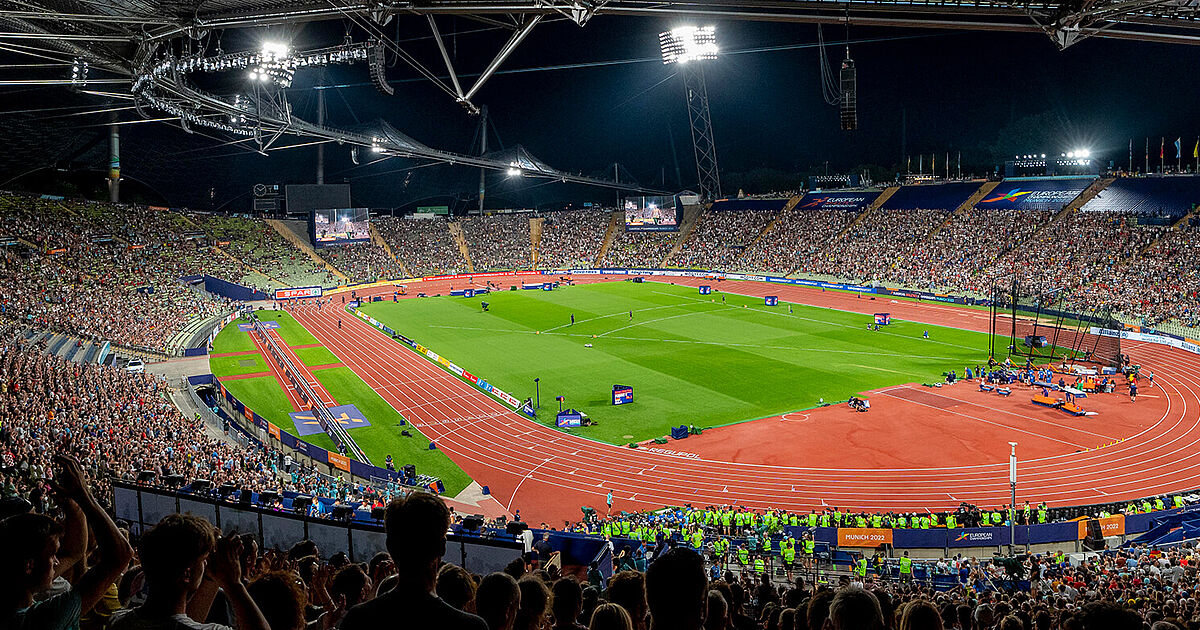
A bustling Olympic athletics stadium, home to epic track and field battles.
A Brief History: From Ancient Roots to Modern Glory
Athletics isn’t new—it’s ancient! Picture this: In 776 BC, the first Olympic Games in Greece featured just one event, a short sprint called the stadion. Over time, it grew to include jumps, throws, and more, inspiring the pentathlon. Ancient Egyptians depicted running and jumping in tombs as early as 2250 BC, and Celtic festivals in Ireland around 1800 BC had similar contests.
Fast-forward to the modern era: The 17th-century Cotswold Games in England included hammer throws, and revolutionary France hosted metric-based events in the 1790s. By the 1800s, organized meets popped up in schools and military academies. The first modern Olympics in 1896 revived it globally, adding women’s events in 1928. Professionalism crept in during the 20th century, leading to the formation of World Athletics (formerly IAAF) in 1912. Today, big-city marathons like New York or London draw massive crowds and TV audiences. Fun fact: The “running boom” of the 1970s turned jogging into a lifestyle!
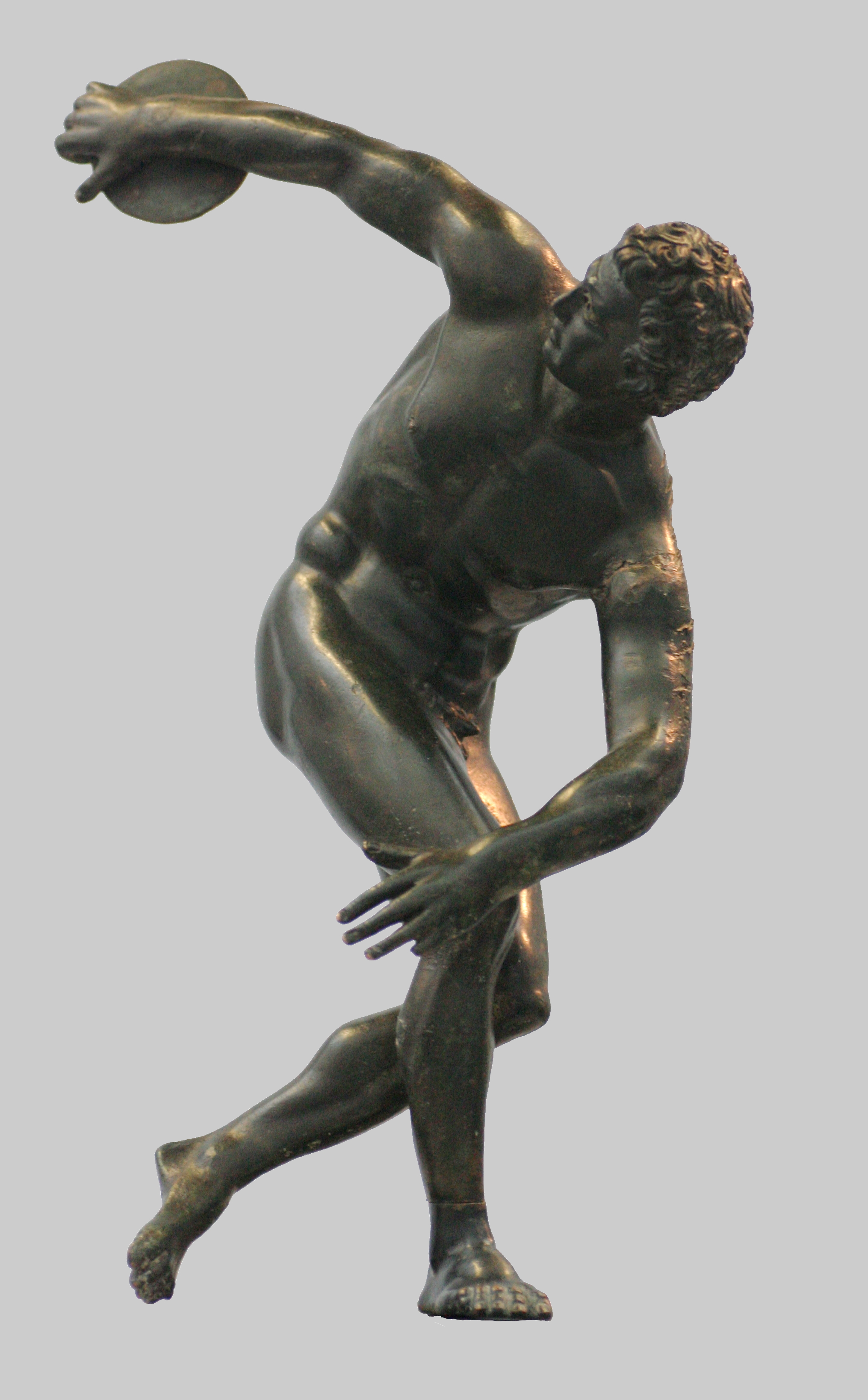
The iconic Discobolus statue, capturing the grace of ancient discus throwing.
Quick Quiz for Learners: What was the only event at the first ancient Olympics? (Answer: The stadion sprint!)
Events: What Makes Up Athletics?
World Athletics divides the sport into six disciplines: track and field, road running, race walking, cross country, mountain running, and trail running. Most are solo efforts, but teams score in relays or by combining results. Here’s a breakdown to help you visualize and learn:
Track and Field: The Core of Athletics
This happens in stadiums with an oval track and grassy field. Events fall into sprints, middle/long-distance, hurdles, relays, jumps, throws, and combined events. Indoor versions occur in winter on shorter tracks.
| Category | Examples | Key Skills | Fun Fact |
|---|---|---|---|
| Sprints | 60m, 100m, 200m, 400m | Explosive speed | Usain Bolt’s 9.58s 100m world record is faster than a cheetah’s start! |
| Middle/Long-Distance | 800m, 1500m, 5000m, 10,000m | Endurance and strategy | The 3000m steeplechase includes water jumps—talk about splashy! |
| Hurdles | 60m/100m/110m/400m hurdles, 3000m steeplechase | Agility and rhythm | Hurdles demand perfect timing to avoid tripping. |
| Relays | 4x100m, 4x400m | Teamwork and baton passes | Dropping the baton? Instant disqualification! |
| Jumps | Long jump, triple jump, high jump, pole vault | Power and technique | Pole vaulters can soar over 6 meters—higher than a giraffe! |
| Throws | Shot put, discus, hammer, javelin | Strength and spin | The hammer throw involves whirling a 7kg ball on a wire. |
| Combined | Decathlon (men: 10 events), Heptathlon (women: 7 events) | Versatility | Athletes compete over two days—true all-rounders! |
Track meets range from school events to elite Diamond League series. Winners? Fastest time or farthest measurement!
Road Running: Taking It to the Streets
Long-distance races on paved roads, like marathons (42.195km), half-marathons, 10km, or 5km. Elite events often end in stadiums. The World Marathon Majors (Berlin, Boston, etc.) are the pinnacle.
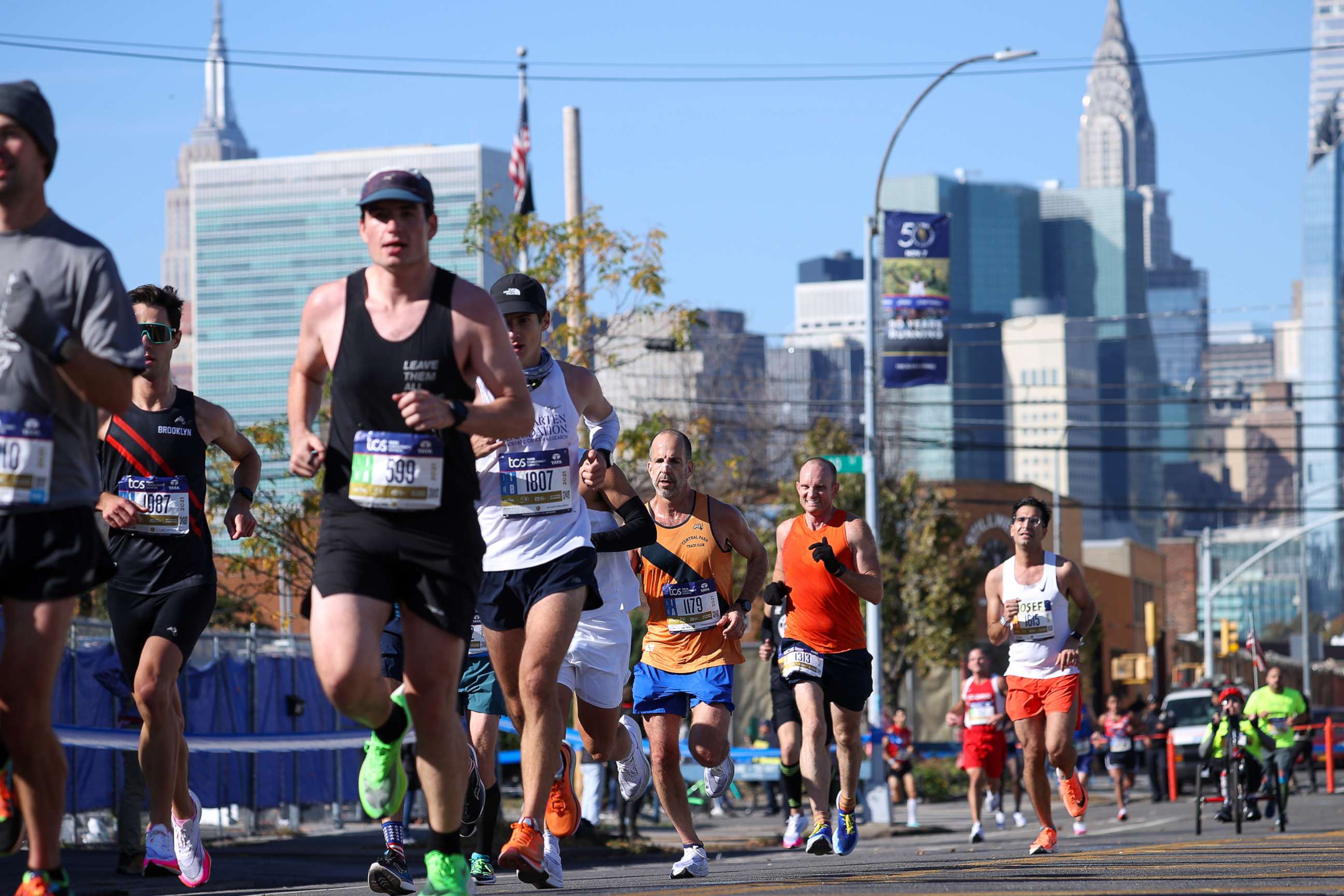
Runners powering through a city marathon, skyline in the background.
Roots trace to 18th-century footmen racing for aristocrats. The modern marathon started at the 1896 Olympics, inspired by ancient Greek legend. Why run one? It’s a personal challenge—thousands participate recreationally!
Cross Country: Nature’s Challenge
Races over grass, trails, or mud, usually 3km+ in fall/winter. It’s raw and team-oriented, with points for top finishers. No Olympics spot anymore, but the World Cross Country Championships rule.

Group of runners tackling a scenic cross country course at sunset.
Originated in 19th-century schools; first international in 1903. Weather adds drama—snow or rain turns it into an adventure!
Race Walking: Speed with Style
Competitors walk briskly on roads or tracks, keeping one foot grounded and knees straight. Events: 10km, 20km, 50km. Judges enforce rules—violations mean disqualification.
Began as “pedestrianism” in 18th-century England with gambling wagers. Olympic since 1908. It’s tougher than it looks—top speeds hit 15km/h!
Learning Tip: Try race walking yourself! Focus on hip sway for speed without running.
Categories: Inclusivity in Competition
Athletics adapts for everyone. Main divisions ensure fair play:
- Sex Divisions: Men and women compete separately. Women’s eligibility has sparked debates, like hyperandrogenism rules challenged by athletes such as Caster Semenya.
- Age Groups: From under-18 youth to masters (35+ in 5-year bands). Ability peaks in 20s, declines after 30. World records exist even for 100+ year-olds!
- Para-Athletics: For physical disabilities since 1952 Paralympics. Classifications (e.g., T for track, F for field) group similar impairments. Wheelchair racing and guided runs for visually impaired are highlights. Deaf athletes have Deaflympics since 1924.
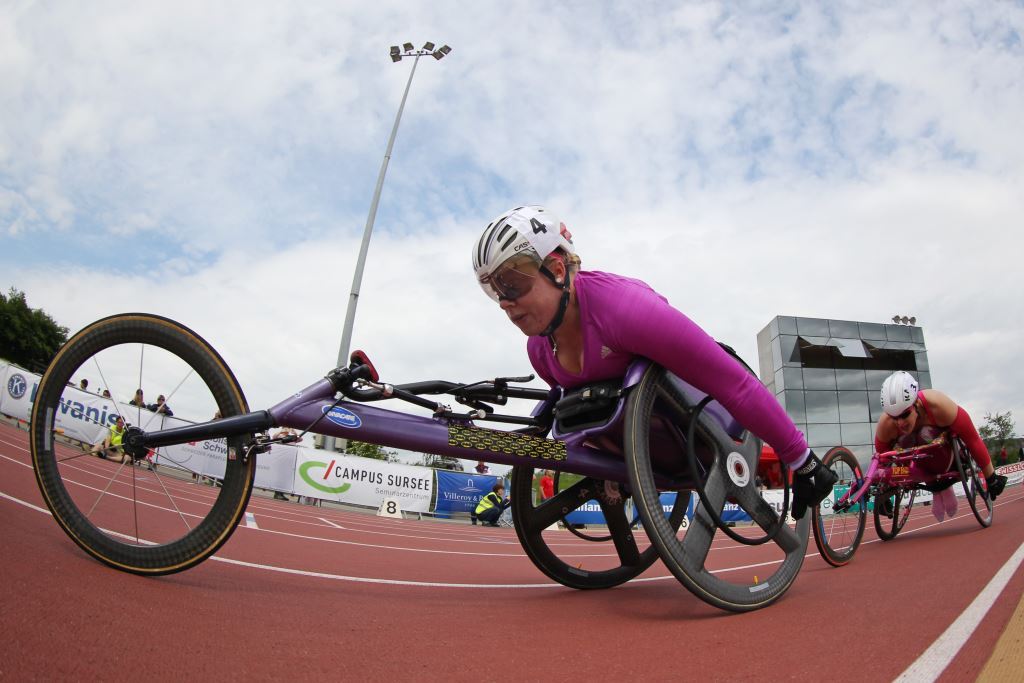
A wheelchair racer in action during a Para-athletics event.
Controversies? Age cheating in youth events or disability classification disputes. But inclusivity keeps growing!
Venues: Where the Action Happens
- Stadiums: 400m outdoor tracks (200m indoor) with synthetic surfaces. At least 8 lanes, plus field areas.
- Cross Country Courses: Natural loops (1.75-2km) in parks—hills, mud, and obstacles for fun!
- Road Courses: Paved loops or point-to-point routes. Refresh stations for longer races.
Basic tip: Any open field works for casual practice!
Organizations and Governance
World Athletics (215 members) oversees globally, divided into six continental groups:
| Continent | Federation | Abbreviation |
|---|---|---|
| Asia | Asian Athletics Association | AAA |
| Africa | Confederation of African Athletics | CAA |
| South America | South American Athletics Confederation | CONSUDATLE |
| North/Central America & Caribbean | North America, Central America and Caribbean Athletic Association | NACACAA |
| Europe | European Athletics Association | EAA |
| Oceania | Oceania Athletics Association | OAA |
National bodies handle local rules. All sports fall under athletics authorities—no separate bodies for throws or jumps.
Competitions: From Local Meets to Global Stages
Three types: International (e.g., Olympics), national championships, and annual invites.
- Multi-Sport Events: Olympics (since 1896, 47 events) and Paralympics (since 1960) are tops. Others: Commonwealth Games, Universiade.
- World Championships: Biennial since 1983 for track/field; separate for indoors, cross country, half-marathon, race walking.
- Elite Leagues: Diamond League (track), World Marathon Majors.
Engaging Challenge: Pick an event like the 100m—research a record-holder and try timing your own sprint!
Culture and Media: Athletics in Art and Entertainment
Athletics inspires! Ancient Greek vases show jumps and throws; Aristotle praised pentathletes’ beauty. Modern films like Chariots of Fire (1924 Olympics) and The Loneliness of the Long Distance Runner capture the drama. Books? Training guides and histories abound. Magazines like Runner’s World keep fans hooked.
Collectibles? Coins like Greece’s 2003 €10 Running coin honor the sport.
Final Thought: Athletics builds body and mind—why not lace up and try a local event? It’s more than competition; it’s a journey!