
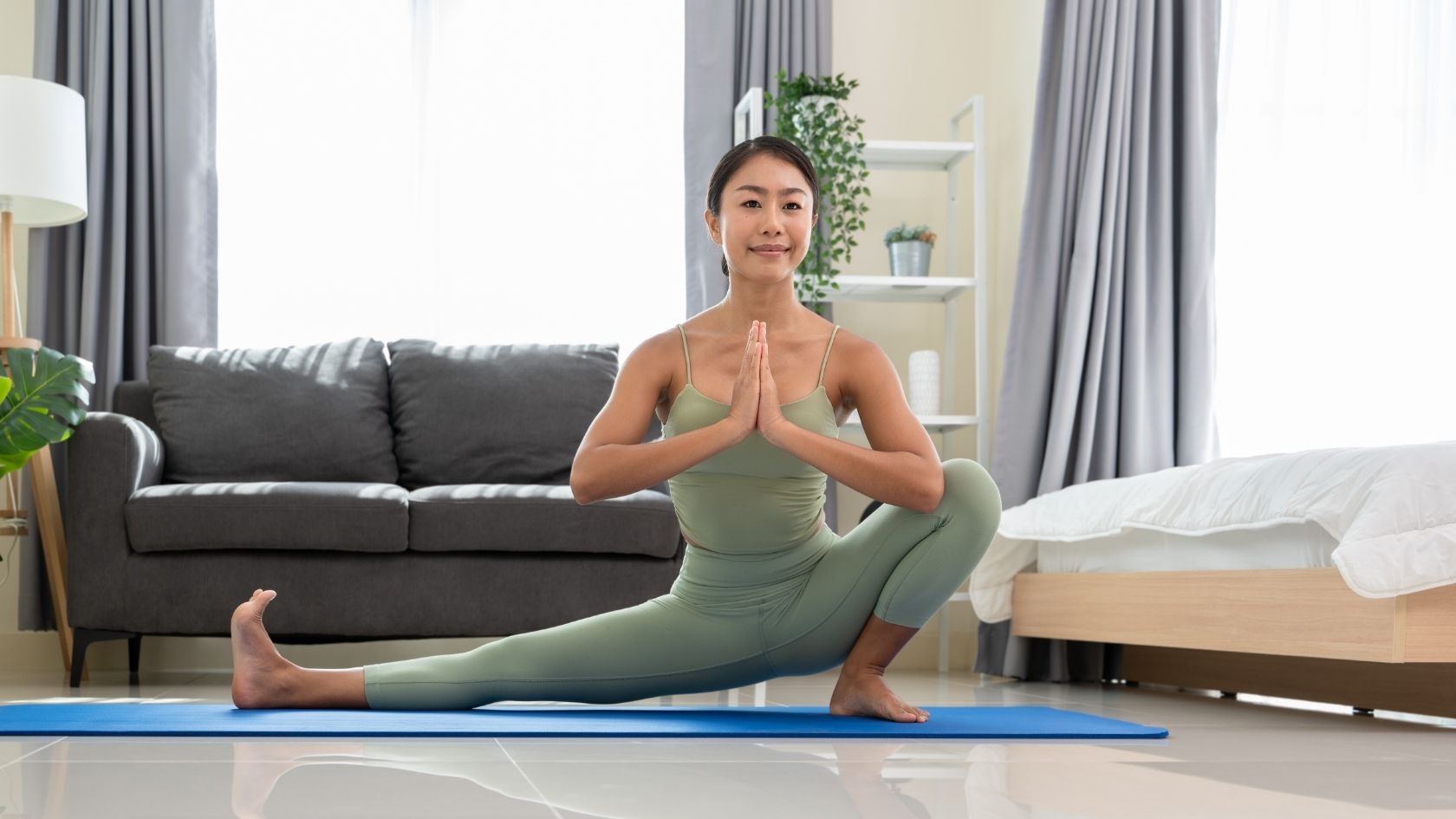
Asana, derived from the Sanskrit word āsana meaning “sitting down” or “posture,” originally referred to seated meditation poses in classical yoga, as outlined in Patanjali’s Yoga Sutras (c. 2nd–4th century CE). Over time, particularly in hatha yoga and modern yoga, it expanded to include a vast array of standing, reclining, inverted, twisting, and balancing poses. As the third limb of Patanjali’s eight-fold path (ashtanga), asanas aim for a “steady and comfortable” state, fostering physical health, mental clarity, and spiritual growth. In India, asanas are practiced by over 30 million people, with initiatives like International Yoga Day (2025) promoting global adoption.
History
- Ancient Origins: The Pashupati seal (c. 2500 BCE) from the Indus Valley may depict a proto-yoga pose, possibly Mulabandhasana, linked to Shiva, though this is debated. Patanjali’s Yoga Sutras (2:46) defined asana as a steady, comfortable posture, listing 12 seated meditation poses like Padmasana and Virasana.
- Medieval Development: Hatha yoga texts like the Goraksha Sataka (10th–11th century) and Hatha Yoga Pradipika (15th century) described 84 asanas, with only a few detailed (e.g., Siddhasana, Padmasana). Non-seated poses like Mayurasana emerged by the 11th century. The 17th-century Hatha Ratnavali listed 52 asanas, and Gheranda Samhita named 32 as “useful.”
- Modern Evolution: From the 1850s, Indian nationalists like Tiruka and K.V. Iyer blended yoga with physical culture to counter colonial stereotypes. Pioneers like Yogendra (1919), Kuvalayananda (1924), and Krishnamacharya (1930s) integrated gymnastics, creating modern asanas like Virabhadrasana I. Krishnamacharya’s students—Pattabhi Jois (Ashtanga Vinyasa), B.K.S. Iyengar (Iyengar Yoga), and others—popularized hundreds of poses globally. Iyengar’s Light on Yoga (1966) detailed 200 asanas, while Dharma Mittra’s 1984 chart cataloged 908.
India’s yoga boom saw 500,000+ participate in 2024’s International Yoga Day, with 2025 events planned in 100+ cities.
Purposes
- Spiritual: Medieval texts claimed asanas awakened kundalini, purified the body, and led to samadhi (meditative consciousness). They supported pranayama and meditation, aiming to transcend dualities and accumulate tapas (ascetic power). Iyengar noted asanas symbolize spiritual evolution, reflecting creatures from plants (Vrikshasana) to gods (Natarajasana).
- Physical: Modern studies confirm asanas enhance flexibility, strength, balance, and reduce stress, asthma, diabetes, and back pain. They improve birth outcomes, sleep quality, and elderly health.
- Mental: Asanas cultivate mindfulness, concentration, and emotional stability, aligning with Patanjali’s goal of mental equilibrium.
India’s Ministry of AYUSH reports 60% of practitioners in 2024 cited mental health benefits.
Styles and Practices
- Iyengar Yoga: Emphasizes precision and alignment, using props (blocks, belts) for correct posture. Trikonasana aligns the heel with the arch, held longer for muscle relaxation.
- Ashtanga Vinyasa: Fast-paced, flowing sequences (vinyasa) with Surya Namaskar as the foundation. Includes six series (Primary to Advanced), emphasizing drishti (focus) and bandhas (energy locks).
- Sivananda Yoga: Focuses on 12 basic asanas for meditation preparation, with less emphasis on alignment. Trikonasana may involve a forward-stretched arm.
- Bikram Yoga: Fixed 26-pose sequence in a heated room; Trikonasana is akin to Parsvakonasana, focusing on hip-opening.
- Kripalu Yoga: Prioritizes mindfulness, encouraging micro-movements to explore energy flow and release tension.
India’s 2024 yoga retreats in Rishikesh trained 10,000+ in Ashtanga and Iyengar styles.
Types of Asanas
| Type | Example | Date | Description |
|---|---|---|---|
| Standing | Parsvakonasana | 20th C. | Side angle stretch, strengthens legs. |
| Sitting/Meditation | Siddhasana | 10th C. | Meditation pose, promotes stability. |
| Reclining | Shavasana | 15th C. | Corpse pose, relaxes body and mind. |
| Inverted | Sirsasana | 11th C. | Headstand, boosts circulation. |
| Balancing | Kukkutasana | 13th C. | Cockerel pose, strengthens core. |
| Forward Bend | Paschimottanasana | 15th C. | Seated forward bend, stretches spine. |
| Backbend | Dhanurasana | 15th C. | Bow pose, opens chest and back. |
| Twisting | Ardha Matsyendrasana | 15th C. | Half Lord of the Fishes, spinal mobility. |
| Hip-Opening | Gomukhasana | 15th C. | Cow face pose, stretches hips. |
| Core Strength | Navasana | 19th C. | Boat pose, builds abdominal strength. |
India’s yoga schools teach 50+ asanas in beginner classes, with 2024 surveys showing Trikonasana as the most practiced.
Surya Namaskar
Surya Namaskar (Salute to the Sun) links 12 asanas in a dynamic sequence, performed twice (alternating legs). Modern forms, popularized by the Raja of Aundh in the 1920s, include Adho Mukha Svanasana (downward dog) and vary by school (Urdhva Mukha Svanasana or Bhujangasana). Ancient roots trace to the Ramayana’s Aditya Hridayam.
India’s 2025 International Yoga Day will feature mass Surya Namaskar events, expecting 1 million+ participants.
Health Effects
- Benefits: Improves flexibility (e.g., Paschimottanasana), strength (Navasana), balance (Vrikshasana), and reduces stress, asthma, diabetes, and back pain. Studies show better birth outcomes and elderly quality of life.
- Contraindications: Avoid certain poses for conditions like glaucoma (inverted poses), pregnancy (deep twists), or back injuries (extreme backbends). A 2015 study found 26 asanas safe for late pregnancy.
India’s 2024 AYUSH health camps reported 70% improvement in chronic pain among asana practitioners.
Cultural Impact
- Religious Art: Buddha, Shiva, and Jain tirthankaras are depicted in Padmasana or Lalitasana (royal ease).
- Literature and Media: Asanas appear in novels (Downward Dog by Edward Vilga), memoirs (Finding My Balance by Mariel Hemingway), and films (Yoga Hosers).
- Advertising: Brands like Lululemon use asanas for marketing yoga apparel.
India’s 2024 Bollywood film Yogini featured Sirsasana in its narrative, grossing ₹50 crore.
Table of Asana Milestones and India’s Role
| Milestone | Global Description | India Relevance |
|---|---|---|
| Origins | Pashupati seal (2500 BCE); Yoga Sutras (2nd–4th C.). | 30 million practitioners; 2024 Yoga Day drew 500,000+. |
| Medieval Texts | Goraksha Sataka (10th C.); 84 asanas claimed. | Rishikesh schools teach Siddhasana, Padmasana. |
| Modern Pioneers | Krishnamacharya (1930s); Iyengar’s Light on Yoga. | 2024 retreats trained 10,000+ in Ashtanga/Iyengar. |
| Global Spread | Iyengar, Jois, Mittra; 908+ asanas by 1984. | Indian gurus lead 2025 global workshops in 50+ countries. |
| Cultural Impact | Art, literature, films; Surya Namaskar popularized. | 2025 Yoga Day plans 1 million+ for Surya Namaskar. |
Asanas blend ancient spirituality with modern exercise. India’s AYUSH Ministry, with 30 million practitioners, aims for 2026 Olympic yoga inclusion. Visit yoga.ayush.gov.in or iyengar-yoga.com for more.